In June 2015, Governor David Ige signed Act 97, making Hawaii the first state in America to mandate 100% renewable electricity by 2045.[1] Eleven years later, the scorecard is mixed: real progress, real problems, and a deadline that is starting to feel closer than comfortable.
The interim targets are aggressive. Hawaii was supposed to hit 30% by 2020 — and did.[2] The next milestone is 40% by 2030, then 70% by 2040, then the full 100% by 2045. As of the most recent reporting, statewide renewable portfolio sits at roughly 38–42%. Kauai is the star at over 70% renewable, thanks to KIUC's aggressive solar-plus-battery buildout.[3] Oahu — the largest grid and the hardest to transition — hovers around 35–38%.
Where the Power Comes From
Hawaii's renewable mix is more diverse than most people realize, and it reflects the islands' geography in interesting ways.
Rooftop solar is the most visible piece. Over 100,000 systems are installed statewide, with roughly 90,000 on Oahu alone.[4] Distributed solar generates about 15–18% of total statewide electricity. That number matters for two reasons: rooftop systems do not require scarce utility-scale land, and they generate power at the point of consumption, cutting transmission losses. The explosive growth of residential solar has been the most unambiguously successful part of Hawaii's clean energy transition.
Utility-scale solar farms, typically paired with battery storage, contribute another 8–12% of generation. Major projects across Oahu, Maui, and Hawaii Island range from 15 MW to over 100 MW, with several more in various stages of development.
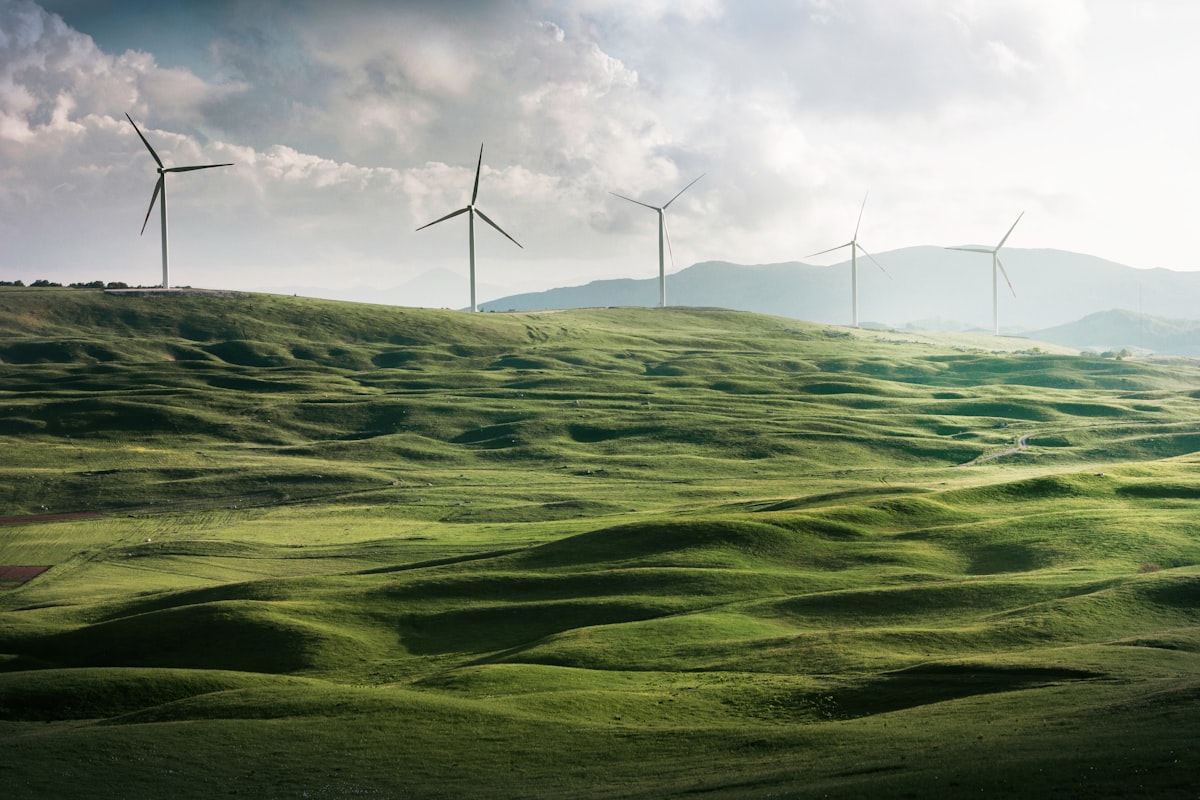
Wind adds 6–8%. The Kahuku and Kawailoa farms on Oahu's North Shore, the Kaheawa complex on Maui, and smaller installations on Hawaii Island all contribute. Wind complements solar well because trade winds blow strongest in the evening and overnight — exactly when solar production drops to zero.
Biomass, biofuels, and the H-POWER waste-to-energy plant on Oahu account for about 4–6%. The Puna Geothermal Venture on Hawaii Island taps volcanic heat for another 3–4% — uniquely valuable because it runs 24/7 regardless of weather. Small hydroelectric installations on Kauai, Maui, and Hawaii Island add a modest 1–2%.
The Hard Part
Getting from roughly 40% to 100% is a fundamentally different engineering problem than getting from 0% to 40%. The low-hanging fruit has been picked.
The single most critical bottleneck is grid-scale battery storage. Solar and wind produce energy when conditions cooperate, not when demand peaks. To reach 100% renewable, Hawaii needs enough batteries to shift daytime solar production into evening peak hours and to ride through multi-day stretches of cloudy, calm weather. Current grid-scale storage totals several hundred megawatt-hours statewide. Reaching 100% on Oahu alone likely requires multiple gigawatt-hours. Projects are underway, but the pace needs to accelerate.
The distribution grid is another challenge. It was designed for one-way power flow: from central plants to homes. The proliferation of rooftop solar creates two-way flow that existing infrastructure was never engineered to handle. HECO's multi-billion-dollar Grid Modernization Strategy includes upgrading substations, deploying grid-scale batteries at strategic locations, installing smart inverters, and building advanced distribution management systems. All necessary. All recovered through electricity rates.
Then there is the retirement of fossil fuel generation. The AES coal plant closed in September 2022, eliminating Hawaii's last coal-fired power.[4] But petroleum plants at Kahe and Waiau on Oahu, plus thermal units on Maui and Hawaii Island, still burn fuel oil. Replacing them requires not just more solar and batteries but firm capacity — generation that dispatches on demand regardless of weather. That is the core engineering puzzle: maintaining grid reliability while removing the dispatchable fossil fuel generation that currently provides it.
An undersea cable connecting islands — particularly Maui or Lanai to Oahu — has been studied for decades. It would let Oahu tap neighbor island wind and solar resources with better generation profiles. Technically feasible. Extraordinarily expensive. The permitting alone could take a decade.
Your Roof Is Part of the Solution
Every rooftop solar system installed is generation capacity the utility does not need to build. Every home battery is storage that supports grid stability. HECO has come around to this view. Programs like Battery Bonus and Bring Your Own Device (BYOD+) compensate homeowners for allowing their home batteries to support the grid during peak demand.
We see this in practice every day. A Mililani homeowner we installed last year enrolled in BYOD+ and collected $4,600 upfront for his Powerwall 3 enrollment. During peak evening hours, his battery exports stored solar to the grid at $0.329/kWh. He is getting paid to help solve the grid's biggest problem — and his system paid for itself faster because of it.
A solar-plus-battery household is a mini power plant. It generates clean electricity during the day, stores excess for evening use, can export to the grid during peak demand, reduces strain on aging infrastructure, and provides backup during outages. As Hawaii pushes toward 100%, the value of these distributed resources will only increase.
What HECO Is Doing
Hawaiian Electric's grid transformation roadmap includes advanced inverter requirements for new solar installations (smart inverters that support voltage and frequency, not just export power), large-scale battery procurement to replace retired fossil capacity, community-based renewable energy programs for renters and those without suitable roofs, demand response programs to shift usage away from peaks, and EV integration planning to manage growing electric vehicle charging as a flexible load.
The efforts are real and substantive, even if progress has been slower than many hoped. Regulatory proceedings, community engagement, and the sheer complexity of transforming island grids stretch timelines beyond initial projections. Anyone who tells you this transition is simple has not looked at the engineering.
What This Means If You Are Considering Solar
Hawaii's renewable trajectory creates favorable dynamics for homeowners who act now. The push toward higher renewable penetration increases the value of distributed generation and storage — expect continued and possibly expanded programs that pay homeowners for battery participation. The billions in grid modernization investment will be recovered through rising electricity rates, making the financial case for solar stronger every year. The federal battery storage ITC at 30% remains available through 2032[5], and combined with Hawaii's state credit, adding storage has never been more affordable.
Future programs — vehicle-to-grid integration, expanded demand response, time-of-use rates — will favor households that already have solar and battery hardware in place. Installing now gives you the infrastructure to participate in whatever comes next.
The Big Picture
Hawaii's 100% renewable mandate is not just environmental policy. It is an economic security strategy for a state that has spent decades hemorrhaging wealth to foreign oil producers. Every dollar spent on imported petroleum leaves Hawaii permanently. Every dollar invested in local renewable energy stays.
The transition is messy, complicated, and behind schedule. But the direction is unmistakable. An island state powered entirely by its own sun, wind, and volcanic heat is both technically achievable and economically inevitable. The only question is how fast we get there.
Alternate Energy Hawaii has been part of this journey since 1993, long before it was a mandate. We installed solar when oil was cheap and when oil was expensive, because the math has always worked in Hawaii. It works even better now.
Sources & References
- Hawaii State Legislature, Act 97 (2015) — Hawaii Renewable Portfolio Standards. Hawaii State Legislature
- Hawaii State Energy Office, Renewable Portfolio Standards Progress Reports. HSEO
- Kauai Island Utility Cooperative, Renewable Energy Portfolio. KIUC
- Hawaiian Electric, Clean Energy Progress and Renewable Portfolio Data. Hawaiian Electric
- U.S. Department of Energy, Homeowner's Guide to the Federal Tax Credit for Solar Photovoltaics. DOE