As of early 2026, the average residential electricity rate on Oahu runs $0.43–0.47/kWh. Neighbor islands are even higher. The US national average is about $0.16–0.17/kWh.[1]
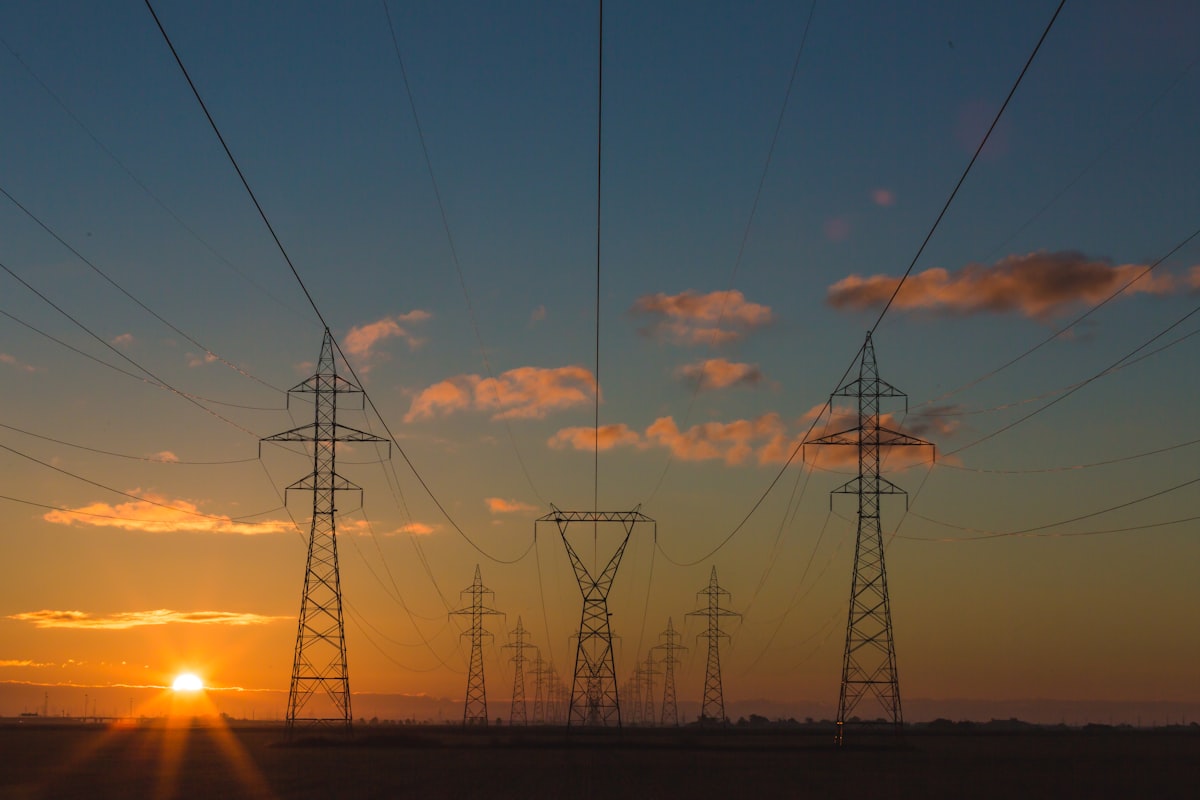
Think about what that means for a household using 600 kWh a month. On the mainland, that is a $96–$102 electric bill. In Hawaii, it is $260–$280. Over a 30-year mortgage, a Hawaii family pays $60,000 more for the exact same electricity than their counterpart in Phoenix or Portland. The premium is not small. And the causes are not going away.
Imported Petroleum
This is the big one. Hawaii has no oil fields, no natural gas deposits, no coal mines. Every BTU of fossil fuel burned in a Hawaiian power plant crossed the Pacific Ocean on a ship.
Historically, about 60% of the state's electricity came from burning petroleum[1] — primarily low-sulfur fuel oil. Renewable energy has brought that down to roughly 40–45%, but petroleum still sets the marginal price. And petroleum is, by a wide margin, the most expensive fuel for generating electricity. Natural gas generation costs about $0.03–0.05/kWh in fuel. Coal runs $0.02–0.04/kWh. Petroleum generation costs $0.15–0.25/kWh in fuel alone — before you add a single dollar of transmission, distribution, or infrastructure cost.
Mainland utilities burn natural gas because it is cheap and arrives by pipeline. Hawaii cannot access those pipelines. An LNG import terminal has been debated for decades and never built — cost, permitting, and community opposition killed it every time. So Hawaii burns oil, the most expensive option available, because it is the only fossil fuel that can be practically shipped and stored at island scale.
Six Grids, No Connections
On the mainland, when a power plant trips offline in Oregon, electricity flows in from California or Washington. The interconnected grid provides redundancy, load balancing, and access to the cheapest generation across thousands of miles.
Hawaii has six completely separate grids — one per major island. Oahu, Maui, Hawaii Island, Molokai, Lanai, Kauai. None are connected to each other. None are connected to the mainland. Each island maintains enough generation capacity to meet its own peak demand, independently, with its own backup reserves. That means higher fixed costs spread over fewer customers, no ability to share excess generation between islands, and limited competition among power sources. A family in Kailua-Kona cannot benefit from cheap wind power on Oahu's North Shore. The electrons have nowhere to go.
A 1920 Maritime Law
The Merchant Marine Act of 1920 — the Jones Act — requires that goods shipped between US ports travel on ships that are US-built, US-flagged, US-owned, and US-crewed.[2] Fuel shipped from mainland refineries to Hawaii counts as domestic shipping.
Jones Act shipping costs significantly more than international shipping. Studies estimate it adds $0.02–0.05/kWh to Hawaii electricity costs through higher fuel transportation charges.[3] That sounds modest until you run the numbers: on 600 kWh/month, it is $12–$30 per household per month. Roughly $150–$360 a year that exists solely because of a law passed when Woodrow Wilson was president. Reform has been debated for decades. The US maritime industry and its congressional allies block it every time. This cost is permanent.
Everything Costs More to Build
Construction costs in Hawaii run 30–50% above the mainland thanks to material shipping, a limited labor pool, and some of the highest land costs in the country. Every transformer, every spool of cable, every utility pole arrives by barge. Salt air and tropical weather eat through equipment faster, driving up maintenance. And securing rights-of-way for transmission lines on islands with limited buildable land is expensive and contentious.
These infrastructure costs get recovered through base rates and rider charges on your bill, adding a persistent premium that has nothing to do with oil prices.
What Your Bill Actually Contains
Your HECO electric bill is not a simple per-kWh charge. It is a stack of line items. The base customer charge ($0–$12/month) is just for being connected. The base energy charge covers non-fuel generation costs, transmission, and distribution. The Energy Cost Adjustment (ECA) passes through what HECO actually paid for fuel[4] — this is the volatile piece that swings with global oil prices. The Revenue Balancing Account adjusts for over- or under-collection. And various rider surcharges fund infrastructure improvements, renewable energy programs, pension obligations, and more.
The ECA alone accounts for 35–45% of your total bill. When people say Hawaii electricity is "expensive," what they usually mean — whether they realize it or not — is that the fuel adjustment charge is brutal.
Rates Are Going Up, Not Down
HECO is investing billions in grid upgrades to handle more renewable energy, battery storage, and distributed generation. Those costs get recovered through rate increases. The AES coal plant on Oahu, which closed in September 2022[5], took Hawaii's cheapest fossil fuel source offline — replacement power costs more. Climate adaptation means hardening infrastructure against sea level rise, stronger storms, and wildfire risk. Geopolitical instability in oil-producing regions keeps fuel costs volatile. And while renewable energy reduces long-term fuel costs, the upfront infrastructure investment in grid-scale solar, batteries, and transmission upgrades gets recovered through rates over decades.
The 10-year trend shows average annual increases of 2–5%, with sharper spikes during oil price surges. If you are waiting for rates to come down, you will be waiting a long time.
Locking in $0/kWh
Every cause listed above — imported oil, island grid isolation, the Jones Act, rising infrastructure costs — affects HECO customers. None of them affect homeowners who generate their own electricity from solar panels.
Once a solar system is installed and paid for, the marginal cost of electricity is $0 per kWh. No fuel adjustment. No rider surcharges. No sensitivity to what happens in the Strait of Hormuz or how much it costs to ship a transformer by barge. Your electricity cost is locked for the 25–30 year life of the system.
The 25-Year Math
Take a household paying $350/month — roughly 750 kWh at $0.47/kWh. Assume a conservative 3% annual rate escalation:
- Year 1: $4,200
- Year 5: $4,729
- Year 10: $5,480
- Year 15: $6,351
- Year 20: $7,361
- Year 25: $8,532
25-year cumulative total: approximately $153,000.
A solar system that eliminates this bill costs $25,000–$35,000 after the Hawaii state tax credit.[6] Even at the high end, the return is 4–5x the investment, and it is tax-free because it comes as avoided expense, not taxable income. No other investment available to Hawaii homeowners delivers guaranteed returns, zero risk, and built-in inflation protection in the same package.
Here is the counterintuitive part: the same structural factors that make Hawaii electricity painfully expensive make Hawaii the best place in America to invest in solar. Higher rates mean higher savings per kWh, faster payback, and greater lifetime returns. The pain at the mailbox is the reason the math is so compelling on the roof.
Alternate Energy Hawaii has helped Oahu homeowners stop paying the highest electricity rates in America since 1993. We have watched these structural costs compound for three decades. The only thing that has changed is how obvious the alternative has become.
Sources & References
- U.S. Energy Information Administration, Hawaii Electricity Profile and State Comparison. EIA
- U.S. Maritime Administration, Jones Act / Merchant Marine Act of 1920. MARAD
- Hawaii Public Utilities Commission, Jones Act Impact on Hawaii Energy Costs. Hawaii PUC
- Hawaiian Electric, Rate Schedules and Energy Cost Adjustment. Hawaiian Electric
- Hawaiian Electric, AES Coal Plant Retirement and Transition Plan. Hawaiian Electric
- Hawaii Department of Taxation, Renewable Energy Technologies Income Tax Credit (RETITC). Hawaii Tax