Most Americans experience oil price spikes at the gas pump. In Hawaii, you feel them in your electric bill.
That distinction sounds minor until you live it. On the US mainland, less than 1% of electricity comes from petroleum[1] — natural gas, coal, nuclear, and renewables run the show. When Brent crude hit $120 per barrel in March 2022 after Russia invaded Ukraine, mainland electricity rates barely twitched. But a family in Kailua watching that same crisis unfold on CNN saw their HECO bill jump from $320 to over $440 within three months.
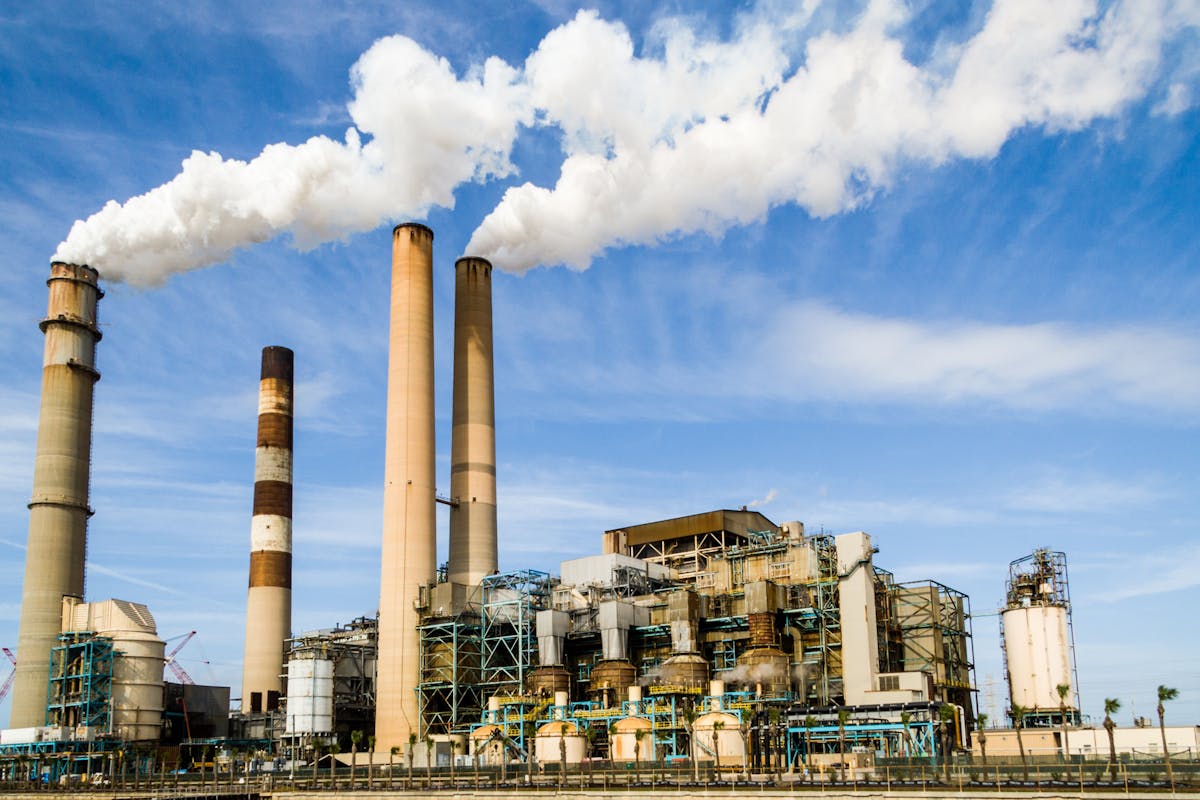
Hawaii has no natural gas pipelines. No nuclear plants. No connection to any other grid. Roughly 40–45% of the state's electricity still comes from burning petroleum shipped in by tanker[1] — down from 60% a decade ago, but enough that fossil fuel still sets the marginal price on every island.
Events 8,000 miles away in the Strait of Hormuz directly determine what you pay HECO every month.
The Petroleum-to-Electric-Bill Pipeline
The chain from oil well to your HECO bill has five links, and every one of them adds cost and risk.
It starts with crude oil extraction from global markets where Middle Eastern supply disruptions set prices worldwide. That crude is refined into low-sulfur fuel oil (LSFO) and diesel — the specific petroleum products that Hawaii's power plants burn. These fuels track crude oil prices closely, sometimes with a premium because LSFO is a specialized product with limited refining capacity.
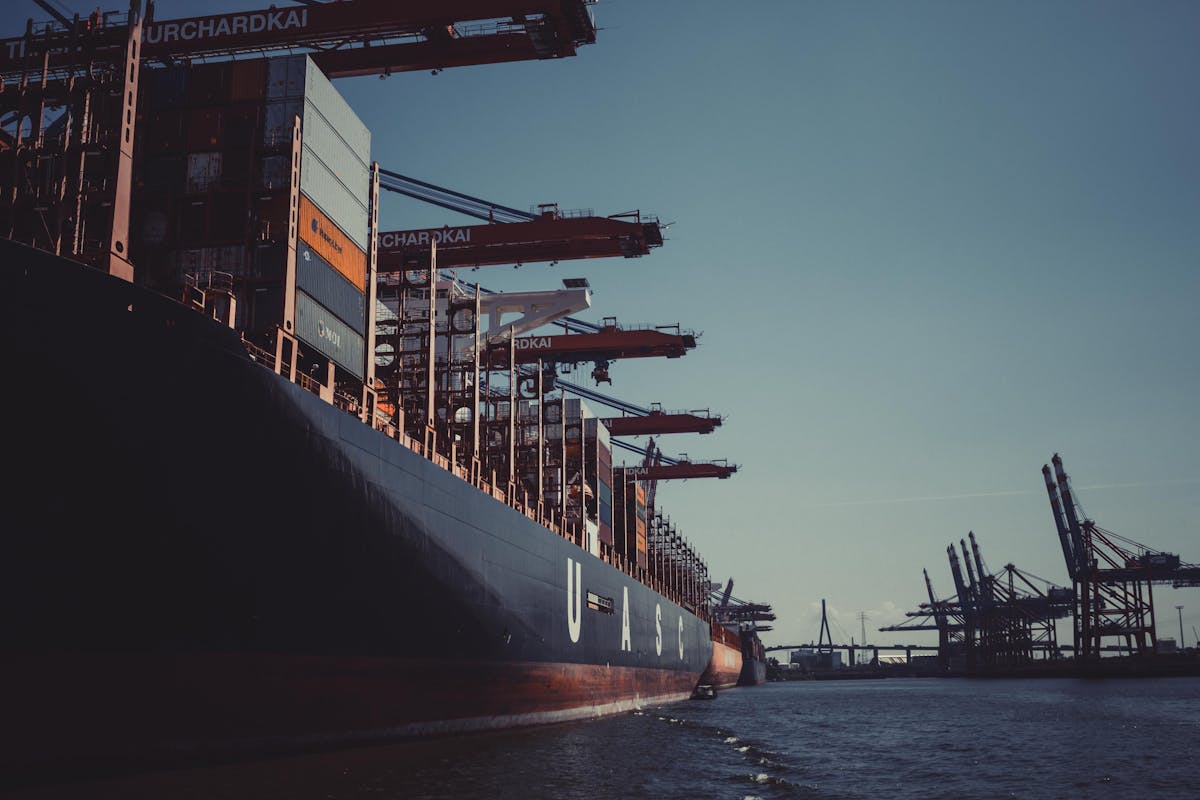
Then comes shipping. Fuel tankers carry LSFO across the Pacific to Hawaii, and here is where the cost compounds. The Jones Act — the Merchant Marine Act of 1920 — requires that all goods shipped between US ports travel on US-built, US-flagged, US-crewed vessels.[2] There are not many of these ships. The limited supply of Jones Act-compliant tankers means Hawaii pays a significant premium for fuel transportation compared to what an island nation with open shipping would pay. Estimates vary, but industry analysts put the Jones Act shipping premium at 2–3 times the cost of foreign-flagged alternatives for Hawaii-bound cargo.
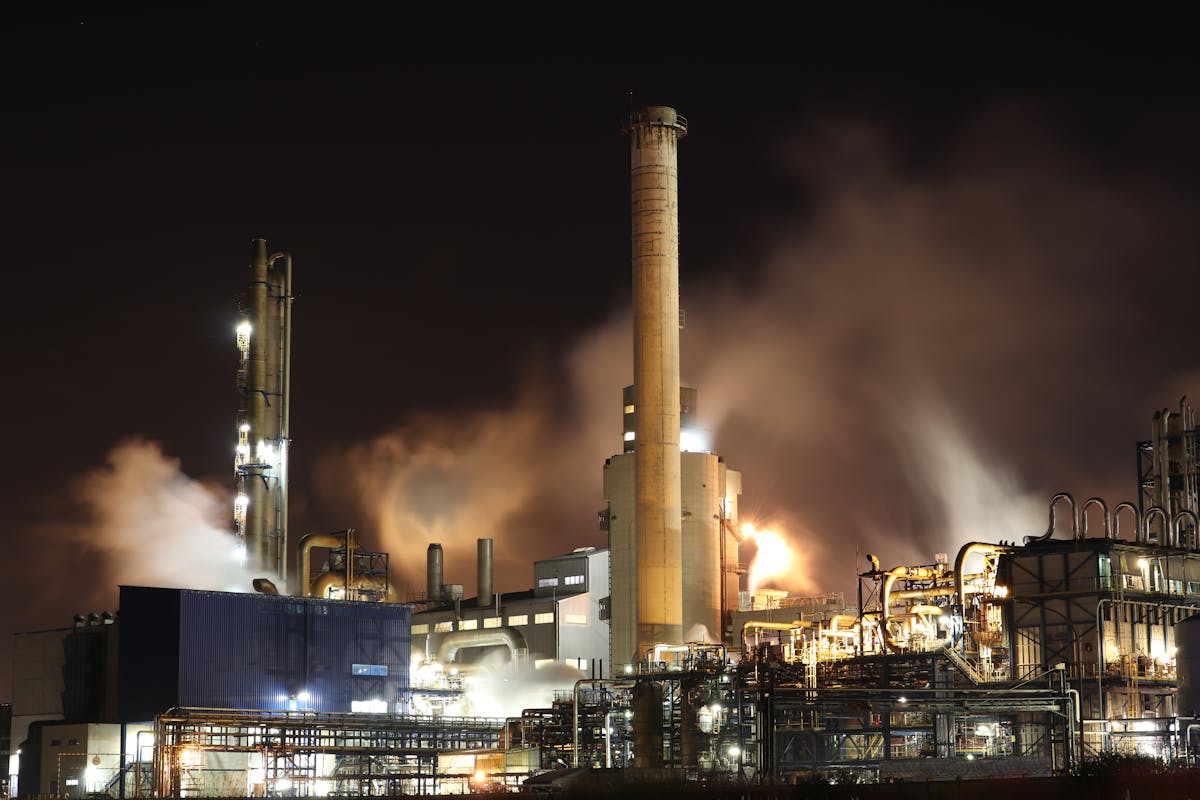
HECO burns this fuel in aging thermal power plants — Kahe Point on the Waianae coast, Waiau in Pearl City, and the Honolulu generating station among them. These plants were built decades ago, and while HECO has improved their efficiency over the years, they remain fundamentally petroleum-dependent infrastructure.
Finally, the fuel cost shows up on your bill as the Energy Cost Adjustment (ECA), which HECO updates monthly based on what they actually paid for fuel.[3] The lag between a global oil event and its appearance on your bill is about 2–4 months. So when you see a crisis flare up on the evening news, mark your calendar. Your bill will catch up.
We watched this play out in real time during the Ukraine invasion. Hawaii electricity rates surged above $0.50/kWh by summer 2022. Our customers with solar panels did not notice. Their bills stayed exactly the same as if the invasion had never happened.
The Strait of Hormuz: Hawaii's Most Distant Vulnerability
About 20–25% of global oil trade squeezes through the Strait of Hormuz, a waterway barely 21 miles wide at its narrowest point, wedged between Iran to the north and Oman to the south.[4] Every day, roughly 17–20 million barrels of crude oil pass through this chokepoint on tankers bound for refineries worldwide.
Iran has threatened to close the strait more times than anyone can count. During the Iran-Iraq War in the 1980s, both nations attacked tankers in what became known as the "Tanker War." In 2019, Iran seized a British-flagged tanker. In 2024 and into 2025, Houthi attacks on commercial shipping in the Red Sea — backed by Iran — disrupted global trade routes and spiked insurance premiums for vessels transiting the region.
The threat alone moves markets. Risk premiums get baked into every barrel before a single ship is turned away. When tensions escalate, oil futures traders price in the possibility of disruption, and prices climb even if no actual supply is lost.
For most Americans, that translates to an extra $0.30 per gallon at the pump. Annoying but survivable. For Hawaii residents, it is a direct hit to the household budget through electricity — an unavoidable monthly expense, not a discretionary fill-up you can delay. No other state has this exposure. Hawaii is the only place in the country where a confrontation between Iranian patrol boats and a Kuwaiti tanker translates into a higher bill for running your air conditioning in Mililani.
What Your HECO Bill Is Actually Telling You
Pull up your HECO bill and look at the line items. Your electricity rate is not a simple flat charge per kilowatt-hour. It is a stack of components, and understanding them reveals just how exposed you are to forces beyond your control.
The base energy charge covers generation infrastructure, transmission lines, distribution, and HECO's operating costs. This component is relatively stable — it changes through formal rate cases that take months to process through the Hawaii Public Utilities Commission.
The Energy Cost Adjustment (ECA) is the volatile one. It passes through the actual cost of fuel that HECO burned to generate your electricity. When oil is cheap, the ECA is modest. When oil spikes, so does this line item — automatically, monthly, without any rate case or regulatory review. HECO does not need permission to pass fuel costs through. It happens by formula.
Various rider charges cover infrastructure improvements, the renewable energy fund, green infrastructure, and other programs. These are smaller but add up.
In calm oil markets, your total all-in rate runs $0.38–0.42/kWh. When oil spikes, the same household usage costs $0.48–0.55/kWh. On a household using 600 kWh/month, that swing is $60–$80 per month — an extra $720–$960 per year — driven entirely by geopolitics. Not by how much electricity you used. Not by anything you did. Just by what happened in a part of the world most people could not find on a map.
A Brief History of Oil Shocks and Your Electric Bill
This is not theoretical. Hawaii households have lived through repeated oil-driven electricity price shocks:
2007–2008: Oil surged from $60 to $147 per barrel. Hawaii electricity rates hit $0.36/kWh — a record at the time. Households that had been paying $200/month saw bills jump to $350+. It was the single biggest driver of residential solar adoption in the state's history up to that point.
2011–2014: The Arab Spring, Libyan civil war, and ongoing Middle East instability kept oil above $100/barrel for three consecutive years. Hawaii rates stayed elevated above $0.35/kWh the entire time. Families who installed solar in 2008 had already recovered their investment. Those who waited were still paying the premium.
2020: COVID-19 crashed oil prices briefly to negative territory. Hawaii rates dipped — but the savings were modest because the base energy charge and rider charges kept bills above $0.28/kWh even with nearly free fuel. Solar homeowners, of course, did not notice this either.
2022: Russia invaded Ukraine. Oil hit $130/barrel. Hawaii rates surged past $0.50/kWh. A typical household's annual electricity cost jumped by $1,200–$1,800. Solar homeowners, again, noticed nothing. Their panels kept producing the same free electricity they produced last month and would produce next month.
The pattern is clear: oil shocks come every few years, they hit Hawaii harder than anywhere else in the country, and the only households immune to them are the ones generating their own power.
Solar as True Energy Independence
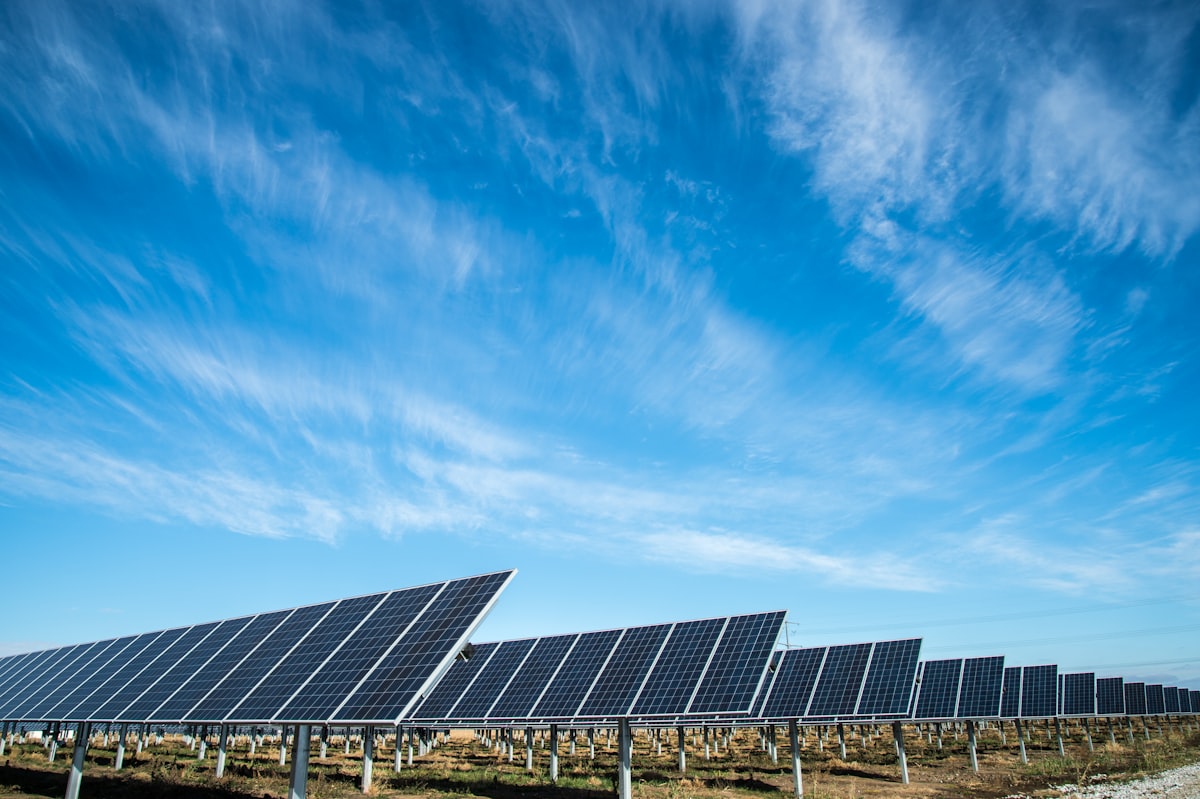
When you install a solar panel system, you are not trimming your electric bill. You are disconnecting your household from global oil markets entirely. That is a fundamentally different thing.
| Scenario | Without Solar | With Solar + Battery |
|---|---|---|
| Oil spikes to $120/barrel | Bill jumps $60–$80/month | No change |
| Strait of Hormuz disruption | Sustained rate increase for months | No change |
| Fuel tanker supply delay | Potential rolling blackouts | Battery provides backup power |
| Iran conflict escalation | Oil to $150+, rates above $0.55/kWh | No change |
| Long-term oil price escalation | Permanent rate increase, no ceiling | No change — your marginal cost is $0/kWh |
We got a call last hurricane season from a homeowner in Kaneohe whose neighbors lost power for three days after a severe storm knocked out part of the local grid. His Powerwall kept the lights on, the fridge running, and his kids doing homework like nothing happened. That is not a sales pitch. That is what battery storage actually does when the grid fails — and on an island state dependent on shipped fuel, grid reliability is directly tied to the same supply chain vulnerabilities we have been discussing.
Solar alone gives you cost independence during daylight hours. Adding a Tesla Powerwall extends it around the clock and gives you a resilience layer that matters deeply on an island entirely dependent on shipped fuel. The federal battery storage ITC remains available through 2032, providing a 30% tax credit on standalone battery installations[6] — so the financial case for adding storage has never been stronger.
The Supply Chain You Cannot See
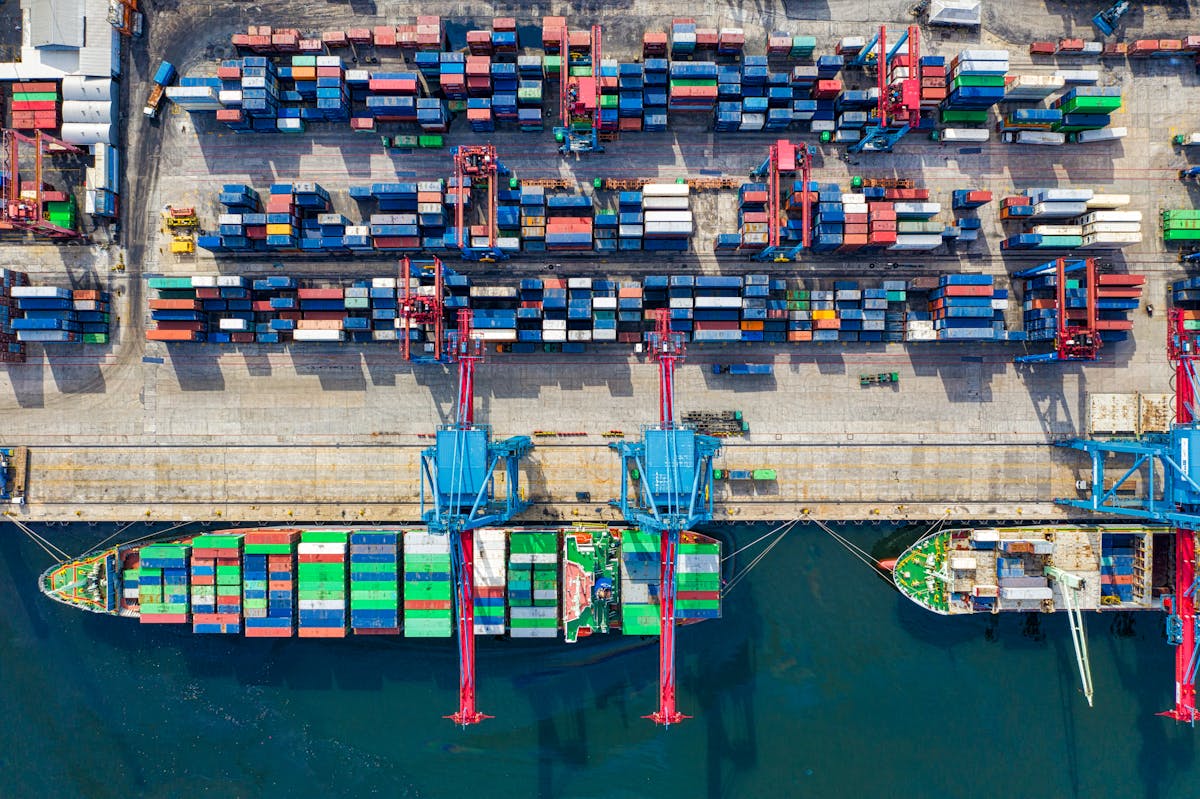
Most Hawaii residents do not think about the logistics that keep their lights on. But consider what has to go right every month for your electricity to flow:
Oil must be extracted somewhere in the world, refined into the specific fuel grade HECO's plants require, loaded onto a Jones Act-compliant tanker (of which there are a limited number), shipped across thousands of miles of open ocean, offloaded at a Hawaii port facility, transported to the generating station, and burned in a thermal plant that was built before most homeowners were born. If any single link in that chain breaks — a refinery outage, a tanker mechanical failure, a port closure from a hurricane, a geopolitical disruption in a producing region — Hawaii's electricity supply is at risk.
Compare that to solar. Sunlight hits your roof. Panels convert it to electricity. Your home uses it. End of supply chain. No tankers, no refineries, no Jones Act, no OPEC, no Strait of Hormuz. The most complicated logistics involved in your daily electricity production is the sunrise, and that has been running on schedule for about 4.5 billion years.
Why the Pentagon Agrees With You
Hawaii's mandate to reach 100% renewable electricity by 2045[5] gets framed as environmental policy. It is equally a national security strategy, and the Department of Defense figured this out before most civilians did.
Hawaii hosts US Indo-Pacific Command (INDOPACOM) — the largest geographic combatant command in the US military, responsible for the entire Pacific theater. Pearl Harbor Naval Shipyard, Joint Base Pearl Harbor-Hickam, Schofield Barracks, Marine Corps Base Hawaii in Kaneohe Bay, and dozens of other critical installations all sit on Oahu. The military has invested hundreds of millions in on-base solar and battery storage — not because admirals are environmentalists, but because they understand that an island state dependent on fuel tankers crossing the Pacific is strategically vulnerable in a conflict scenario.
If an adversary disrupted fuel shipping to Hawaii — through submarine warfare, mine-laying, or simply threatening the shipping lanes — an island grid running on petroleum would go dark. An island grid running on rooftop solar and distributed battery storage would keep functioning. Every megawatt-hour generated from a rooftop panel is one that does not depend on a tanker making it safely to port.
The military treats energy independence as a strategic necessity. Households should too.
The 25-Year Math
A Hawaii household consuming 700 kWh/month at $0.44/kWh pays about $3,700 per year in electricity. That is already painful. But the real damage is in the trajectory.
HECO rates have increased an average of 3–5% per year over the past two decades, driven primarily by fuel cost volatility and infrastructure investment. If rates continue escalating at just 3% annually — a conservative assumption given the geopolitical climate — that same household will hand over more than $150,000 to HECO over 25 years. At 5% escalation, the number exceeds $180,000.
A solar panel system that offsets this usage costs $25,000–$35,000 installed after the Hawaii state tax credit. Once it is on your roof, the marginal cost of electricity is zero. The sun does not have a fuel adjustment surcharge. It does not respond to OPEC production quotas. It does not care what happened in the Strait of Hormuz last Tuesday.
Put differently: every month you wait, you are writing a check partially determined by Iranian foreign policy, Red Sea shipping disruptions, Russian sanctions, OPEC+ production decisions, Jones Act shipping availability, refinery maintenance schedules, and a dozen other factors you cannot control and did not sign up for.
Solar eliminates that exposure. Permanently.
Alternate Energy Hawaii has been helping Oahu homeowners cut that cord since 1993. We have seen oil at $20 and oil at $140. Our customers with solar noticed neither.
Sources & References
- U.S. Energy Information Administration, Hawaii Electricity Profile. EIA
- U.S. Maritime Administration, Jones Act / Merchant Marine Act of 1920. MARAD
- Hawaiian Electric, Understanding Your Bill & Rate Schedules. Hawaiian Electric
- U.S. Energy Information Administration, Strait of Hormuz Oil Flow Analysis. EIA
- Hawaii State Energy Office, Hawaii Renewable Portfolio Standards. HSEO
- U.S. Department of Energy, Homeowner's Guide to the Federal Tax Credit for Solar Photovoltaics. DOE