The United States has imposed tariffs on imported solar cells and panels for over a decade, and every tariff layer adds cost to the panels on your roof. If you want to understand why your solar quote looks the way it does in 2026, you need to understand how we got here.
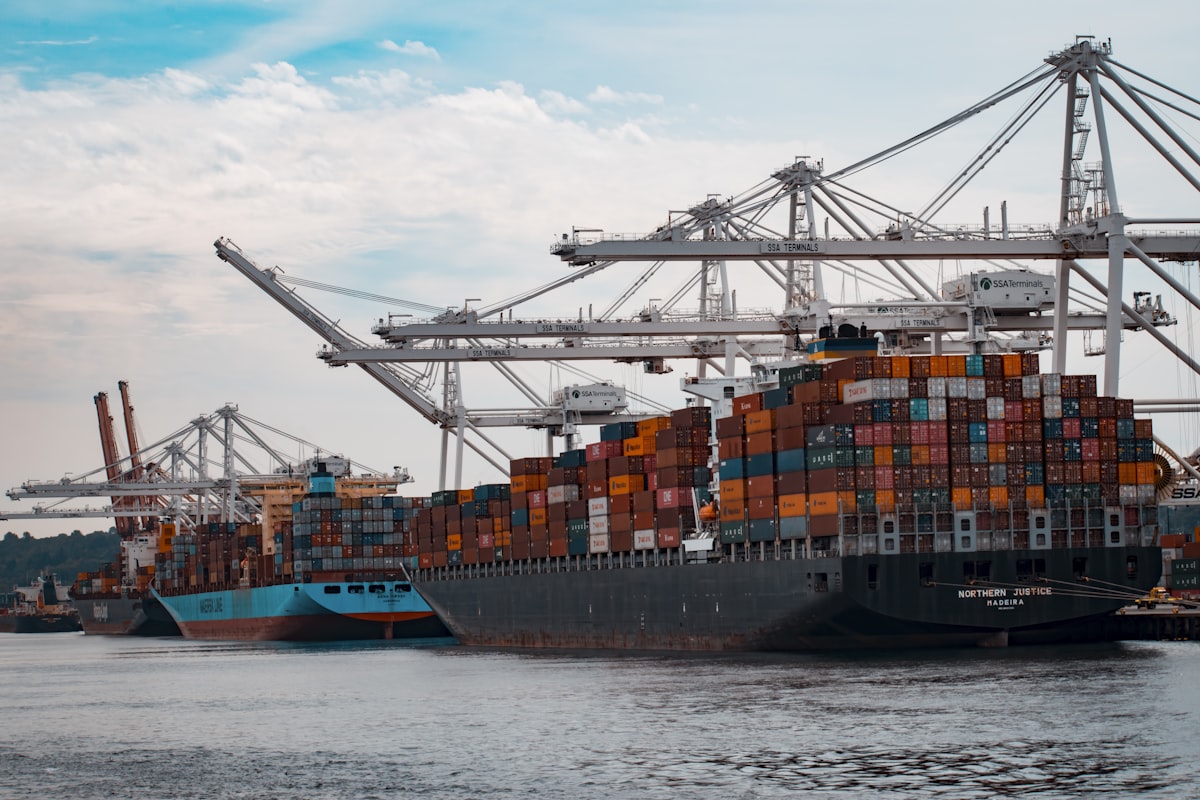
Fourteen Years of Trade Wars
It started in 2012, when the Commerce Department slapped anti-dumping and countervailing duties on crystalline silicon solar cells manufactured in China.[1] The logic was simple: Chinese manufacturers were selling panels below production cost, propped up by government subsidies, and undercutting everyone else. Duties ranged from 24% to 250% depending on the manufacturer.
What happened next was completely predictable. Chinese panel makers moved production to Taiwan. The US extended duties to cover Taiwanese assembly in 2015. Then in January 2018, the Trump administration went broader with Section 201 safeguard tariffs on virtually all imported solar cells and modules, regardless of origin — 30% to start, stepping down 5% per year.[2] The Biden administration extended and modified them in 2022, holding at 14.75% with an expanded tariff-rate quota on cells. Manufacturers in South Korea, Singapore, Malaysia, Vietnam, and everywhere else all got swept in.
Then things got genuinely messy.
As Chinese manufacturers shifted to Cambodia, Vietnam, Thailand, and Malaysia to dodge anti-dumping duties, US manufacturers filed a circumvention petition arguing these were just Chinese panels with a Southeast Asian shipping label. Commerce opened an investigation in 2022 and found circumvention was occurring.[3] The Biden administration granted a two-year moratorium through June 2024 to avoid supply chaos. When it expired, duties on panels from those four countries kicked in — ranging from roughly 10% to over 270% depending on the manufacturer.
Where That Leaves Us in 2026
Imported solar panels now face a layer cake of tariffs: Section 201 safeguard tariffs on most imports, anti-dumping and countervailing duties on Chinese-origin cells extended to Southeast Asian assembly, Section 301 tariffs on broader Chinese goods, and the newest circumvention duties targeting Cambodia, Vietnam, Thailand, and Malaysia.
A panel assembled in Vietnam using Chinese cells can face combined duty rates exceeding 50% of its landed cost. A panel manufactured in Singapore using Norwegian polysilicon faces only the baseline Section 201 tariff. Same product category. Wildly different economics.
What This Adds to Your System Price
Panels represent 25–35% of a total residential solar installation cost.[4] The rest is inverters, racking, wiring, permitting, and labor. So a 30% tariff on panels translates to roughly 8–12% on your total project — about $0.05 to $0.15 per watt at the panel level. For a typical 10 kW system in Hawaii, that is $500 to $1,500 more than a tariff-free world.
But cost is only half the problem. We have seen projects across the state delayed weeks because panels were stuck at customs pending tariff classification. Distributors get nervous stocking panels with uncertain duty rates. Last spring, one of our competitors had to delay a dozen installs for six weeks because their Vietnamese-sourced panels got flagged in a circumvention review. Our customers were unaffected.
Why This Hits Hawaii Harder
Hawaii has the highest electricity rates in the nation[5], which makes solar the single best financial investment available to homeowners here. Any increase in system cost directly chips away at the return on that investment.
The math is counterintuitive, though. On the mainland at $0.14–0.18/kWh, a $1,500 tariff-driven price increase extends solar payback by 6–12 months. In Hawaii at $0.40–0.52/kWh, the same increase extends payback by only 3–5 months. The percentage impact is smaller here because the underlying savings are so enormous. Tariffs do not change the fact that solar in Hawaii is an exceptional investment. But they do mean panel selection and supply chain awareness matter more here than anywhere else.
How AEI Navigates This
We made deliberate supply chain decisions years ago that insulate our customers from the worst tariff impacts. Our primary panel brands — REC and Hyundai — were selected partly for their tariff positioning.
REC panels are manufactured in Singapore using polysilicon from REC Silicon's facilities in Norway (the Fiskaa and Heroya plants).[6] Singapore falls outside the Southeast Asian circumvention duties targeting Cambodia, Vietnam, Thailand, and Malaysia. Norwegian polysilicon avoids both Chinese-origin tariff issues and the forced labor supply chain concerns that have detained thousands of shipments at US ports. Hyundai panels come from South Korea, also outside circumvention scope, with a vertically integrated Korean supply chain that gives clean tariff classification.
Both still face Section 201 safeguards — those apply broadly. But they dodge the punitive anti-dumping and circumvention duties that can double or triple the effective tariff rate. More importantly, panels subject to circumvention investigations can sit at US Customs for weeks or months. Our supply chain avoids that risk entirely. When we tell a customer their panels will arrive on a specific date, we mean it.
What to Watch for If You Are Getting Quotes
Ask where the panels are physically manufactured — not just the brand name. A well-known brand assembled in a tariff-targeted country carries supply chain risk that a salesperson might not mention. Be skeptical of unusually low quotes; some installers use panels from tariff-vulnerable supply chains, and if those panels get detained at customs or face retroactive duties, your project timeline and final cost can shift without warning.
There is a pattern worth noting: manufacturers that invested in non-Chinese supply chains tend to be the same ones that invested in higher-efficiency cell technology, better quality control, and stronger warranties. REC, Hyundai, and a handful of others did not chase the cheapest production location. They built supply chains that can withstand regulatory scrutiny. That decision correlates with how they build panels, too.
And tariffs are not a reason to wait. Trade policy is not getting simpler — the trend for the past decade has been more layers, not fewer. Combined with Hawaii's rising electricity rates, every month you sit on the fence costs you more in utility bills than any speculative future tariff reduction would save. Lock in your project now while panel supply from tariff-stable sources is available and HECO rates continue climbing. We cannot guarantee the same availability or pricing six months from now.
Sources & References
- U.S. Department of Commerce, Anti-Dumping and Countervailing Duty Orders on Solar Cells from China. Commerce Department
- U.S. International Trade Commission, Section 201 Safeguard Investigation on Solar Cells and Modules. USITC
- U.S. Department of Commerce, Circumvention Inquiry on Solar Cells from Southeast Asia. Commerce Department
- Solar Energy Industries Association, U.S. Solar Market Insight Reports. SEIA
- U.S. Energy Information Administration, Hawaii Electricity Profile. EIA
- REC Group, Manufacturing and Supply Chain Information. REC Group