The morning of August 8, 2023, Front Street in Lahaina was still the kind of place where you could buy shave ice and watch the sunset boats come in. By nightfall, it was gone. Over 100 people dead. More than 2,200 structures leveled.[1] The deadliest wildfire in modern American history tore through a town that had stood since the days of the Hawaiian monarchy.
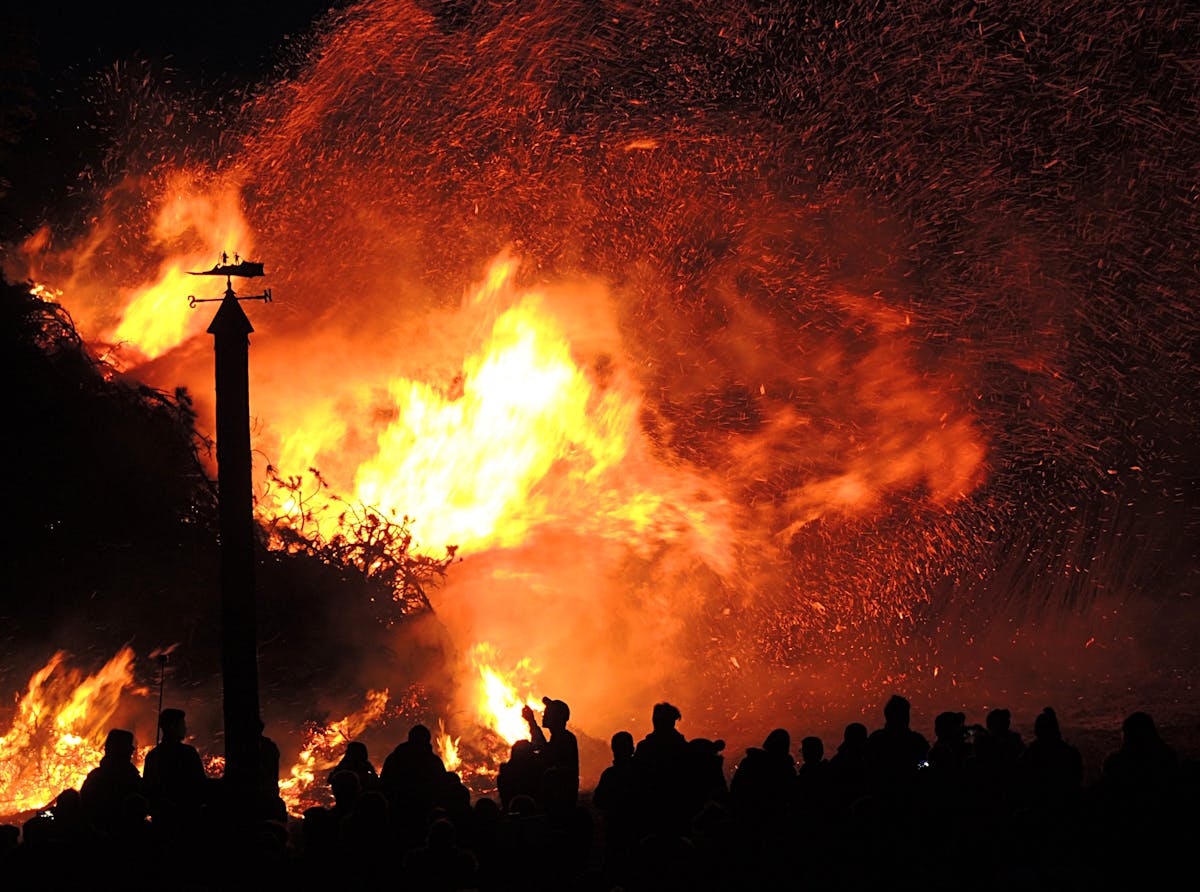
Among the failures that made it so catastrophic, the power grid played a role that still haunts the people who lived through it.
Nearly three years later, Maui is not just rebuilding. It is rethinking how electricity works on an island. And what is happening there matters for every family on every island in the chain.
What Happened to the Grid on August 8
Hurricane Dora was passing far south of Hawaii that week, hundreds of miles away but close enough to whip sustained winds across the Valley Isle.[2] Those winds began snapping utility poles and dragging down power lines across Maui on the morning of August 8. Maui Electric de-energized some circuits as a precaution. Others stayed live.
Downed energized lines landed in bone-dry grass. The Attorney General's investigation confirmed it: utility infrastructure was a significant factor in starting the fires.[3] Drought-stressed vegetation, aging equipment, and howling wind created the worst possible combination.
Once the fire was moving, it consumed the grid along with everything else. Transmission lines, substations, distribution poles across West Maui — destroyed. Some neighborhoods lost power for weeks. Cell towers and communication hubs that ran on grid power went silent at exactly the moment people were trying to call for help.
The Problem with One Grid to Rule Them All
Engineers have been saying this for years. A centralized grid is a single point of failure.
Electricity flows from a handful of power plants through high-voltage transmission lines, into substations, and out along local feeders to your house. Break any critical link and thousands of customers go dark at once. On the mainland, a neighboring state can send power. On an island, there is no neighbor. Oahu cannot send electricity to Maui. Hawaii Island cannot back up Kauai. Each island stands alone.
When something big takes out part of that system, communities wait. Days. Weeks. In Lahaina's case, months.
Maui's Response: A Different Kind of Grid
The fire turned Maui into a proving ground for distributed energy. Rather than simply rebuilding what was destroyed, planners are designing something that fails differently — or more accurately, fails smaller.
Community Microgrids
Several microgrid projects are now moving forward across Maui. A microgrid is a localized energy system — solar panels, batteries, smart controls — that can disconnect from the main grid and run on its own when needed. Think of it as a lifeboat. The ship goes down, but your section keeps floating.
The most critical use: emergency shelters, fire stations, water pumping stations, communication hubs. Several Maui community centers are getting solar-plus-battery systems designed specifically to keep operating when everything around them goes dark. During the fire, people fled to shelters that had no power and no way to charge a phone or run a radio. That cannot happen again.
Thousands of Tiny Power Plants
Every home with solar panels and a battery is a power plant that does not need transmission lines, substations, or utility poles to function. This is the real lesson from August 8. Families in Kihei and Kahului who had solar-plus-battery systems kept their lights on, their refrigerators cold, their medical equipment running, while their neighbors sat in the dark wondering when HECO would get the lines back up.
One homeowner in Kula told us he charged his neighbors' phones for three days straight off his Powerwall. His house became a gathering point for the whole street.
Burying the Lines
Maui is also investing in undergrounding power lines in high-risk areas.[4] No overhead line means no downed line sparking in dry grass. It costs 5 to 10 times more than stringing wire on poles. After what happened, nobody is arguing about the price.
Fix the Grid AND Go Independent
There is a false debate that keeps coming up: should we harden the grid or go off-grid? It is the wrong question. You need both.
Buried lines, upgraded equipment, better vegetation management — all of that reduces how often the grid fails. Home batteries and rooftop solar give families a safety net when it fails anyway. No grid is hurricane-proof. No infrastructure investment prevents all outages. But a home that generates and stores its own power rides through whatever happens.
The two approaches multiply each other. Fewer outages from a hardened grid. Minimal impact from the outages that do occur because families can sustain themselves. That is resilience.
What Other Islands Should Be Thinking About
Lahaina was Maui. It could be anywhere.
Drive the Waianae coast on Oahu in summer and look at the hillsides. Brown and dry, with power lines running right through it. The same conditions, the same aging infrastructure, the same wind patterns. Parts of Hawaii Island and Kauai face similar risk profiles.
Then there are hurricanes. Every island in the chain sits in the Central Pacific hurricane zone. Hurricane Douglas in 2020 passed within 30 miles of Oahu — home to nearly a million people — as a Category 1 storm.[5] A slight wobble in the track and the most populated island in the state takes a direct hit. That is not a hypothetical. That is what almost happened.
After the Lahaina fire, demand for battery storage on Maui spiked.[6] But installation takes time. Permitting, equipment, scheduling. The families who had systems installed before August 8 were protected. Everyone else waited months. The pattern repeats after every disaster: demand surges when it is too late to help.
A homeowner can have a solar-plus-battery system installed and running in weeks. Utility-scale projects take years. Individual action is the fastest path to community resilience, and it does not require waiting for anyone's approval.
The Most Immediate Thing You Can Do
Community microgrids and grid hardening will take years. A solar-plus-battery system on your roof takes weeks. Once it is there, your home generates and stores its own electricity regardless of what is happening on the grid. Every home that can sustain itself during an emergency is one less home that needs utility power restored immediately — freeing crews to focus on hospitals, water systems, and communication infrastructure.
The system saves money every month in the meantime. It reduces demand on the overhead lines that carry wildfire ignition risk. And when the next event comes — fire, hurricane, equipment failure — your family has power.
We have been installing solar and battery systems across these islands since 1993. The conversation used to be about saving money. After Lahaina, it is about keeping families safe. Both reasons are valid. The safety one just feels more urgent now.
Use our solar calculator to see what a resilient system looks like for your home, or contact us directly to talk about battery backup options.
Sources & References
- Maui County wildfire damage assessment and casualty report, August 2023. Maui County Government
- Hurricane Dora and its role in generating high winds across Maui during the August 2023 fires. NOAA National Hurricane Center
- Hawaii Attorney General investigation into the role of utility infrastructure in the Lahaina wildfire ignition. Hawaii Department of the Attorney General
- Maui Electric utility undergrounding and grid hardening plans following the 2023 wildfire. Hawaiian Electric
- Hurricane Douglas (2020) track and closest approach to Oahu. NOAA Weather Forecast Office Honolulu
- FEMA disaster declaration and recovery assistance for Maui wildfire survivors. FEMA