We got a call last year from a homeowner in Kailua who could not figure out why his HECO bill had climbed $80 a month over the past year. Nothing had changed in the house — same number of people, same AC habits, same pool pump schedule. Turned out two of his microinverters had failed silently nine months earlier. His system had been running at 85 percent capacity and he never noticed until the bill told him.
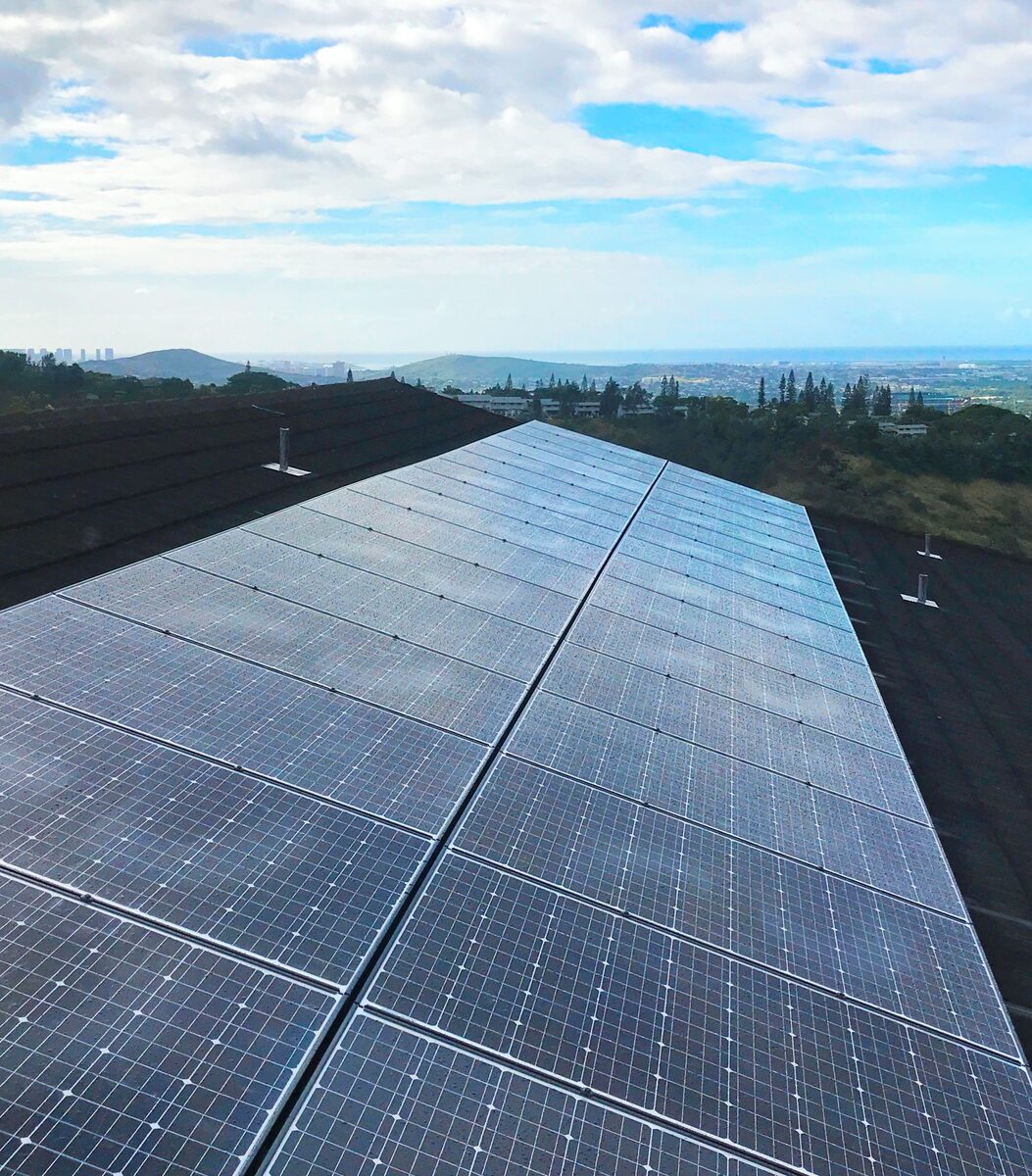
That story plays out more often than you would think. Solar panels are reliable, but Hawaii's environment — salt air, vog, red dirt, bird droppings, relentless UV — quietly degrades performance over time. Here are five signs something is off, from the perspective of techs who diagnose these problems every week.
1. Your Electric Bill Is Creeping Up
This is the one that brings people to the phone. The HECO bill has been drifting upward for six months, maybe a year, and nothing obvious has changed at home. It is easy to blame rate increases, and those are real, but if your system is producing less than it should, you are buying grid power to make up the difference.
Pull up your monitoring app and compare this month's production to the same month last year. Weather varies, so compare the same season. If you are down more than 5 percent year-over-year, something is wrong. Common culprits: dirty panels from salt film or pollen buildup, a failed microinverter, or a tree that has grown enough since installation to cast new shade across your array in the afternoon.
2. Your Monitoring Shows Dead or Weak Panels
If you have Enphase microinverters, your app shows each panel individually.[2] This is your best diagnostic tool. Look for panels producing zero — that usually means a dead microinverter or a broken connection. Look for panels producing noticeably less than their neighbors — shading, soiling, or a cracked cell. And if an entire string is offline, you are probably looking at a wiring issue or a tripped breaker somewhere.
Check your Enphase or SolarEdge dashboard at least once a month. It takes thirty seconds. If anything shows zero or consistently low output, call a licensed electrician. Do not wait for it to fix itself. It will not.
3. You Can See the Dirt
Go outside and look up at your panels. If you can see a hazy film, streaks, or white splatter from birds, those panels are underperforming. In Hawaii, soiling is location-specific.[3] Coastal homes in Lanikai, along the North Shore, or near Kailua Beach accumulate salt film that cuts light transmission. Properties in Central Oahu or near agricultural land on the Big Island get coated in fine red laterite soil. Kona-side homes deal with vog deposits — that sulfurous volcanic haze leaves an acidic film that rain alone will not wash off. And if you have mynah birds roosting in a nearby tree, their droppings on even a few cells can drag down production more than you would expect.
For light soiling, a garden hose in the early morning — when panels are cool — works fine. Spray from the top, let gravity do the work. For anything stubborn, call a professional. Pressure washers and abrasive brushes damage the anti-reflective coating. Once that coating is scratched, the damage is permanent.
4. The Inverter Light Is Not Green
Your inverter is the box on the wall, usually near your electrical panel. During daylight hours, it should show a steady green light. That is its way of saying everything is fine.
Red or amber means the inverter detected a fault. Flashing means a communication or grid connection problem. No light at all means the inverter may have lost power or failed entirely. If there is an error code on the display, write it down — that code tells a technician exactly what is wrong and saves diagnostic time.
Do not try to open, reset, or repair inverter equipment yourself. These systems carry dangerous DC voltage even when the grid is down. Note the light color and the error code, and call your installer or a licensed electrician.
5. Your System Is 10+ Years Old and Has Never Been Touched
If your panels went up before 2016 and nobody has looked at them since, you are overdue. A decade of Hawaii salt air does things to exposed wiring and junction boxes that you cannot see from the ground. Bolts and clamps corrode and loosen. Central string inverters — the kind most common in older installations — have a typical lifespan of 10 to 15 years, unlike microinverters that last 25 or more.[4] Bypass diodes fail and create hot spots that reduce output and, in rare cases, become fire hazards. Insulation degrades and triggers ground faults that can shut the whole system down.
A professional inspection catches these problems before they escalate. Our techs use thermal imaging to find hot spots invisible to the naked eye,[5] check every connection point for corrosion, verify mounting hardware integrity, and update inverter firmware if needed. On a system that has been running for a decade without service, we almost always find something — and the fix usually pays for itself within months through recovered production.
We Service All Brands
Alternate Energy Hawaii provides professional solar maintenance for systems we installed and systems installed by other companies. Our licensed electricians have worked on every major brand of panel, inverter, and battery on these islands. Whether your system is 2 years old or 20, we can diagnose the issue and get your production back where it belongs.
Sources & References
- Photovoltaic system soiling losses and their impact on energy production. NREL Soiling Research
- Enphase IQ microinverter panel-level monitoring and diagnostics platform. Enphase Energy
- Regional soiling variability and environmental factors affecting PV performance in coastal and tropical climates. NREL
- Inverter reliability and expected service life for string inverters versus microinverters. NREL PV System Reliability
- Infrared thermography best practices for identifying hot spots and defects in PV modules. NREL