Not everyone in Hawaii can put panels on their roof. Renters, condo residents, homeowners with heavy tree cover or north-facing rooflines — they have all watched neighbors slash their electric bills while their own HECO statements kept climbing. Community solar, also called shared solar, was designed to close that gap. You subscribe to a portion of a larger solar farm, and HECO credits your bill for the energy your share produces. No panels on your property. No installation. No maintenance.
The concept is straightforward. The details, as with most things involving Hawaiian Electric and the PUC, are not.
How Shared Solar Actually Works
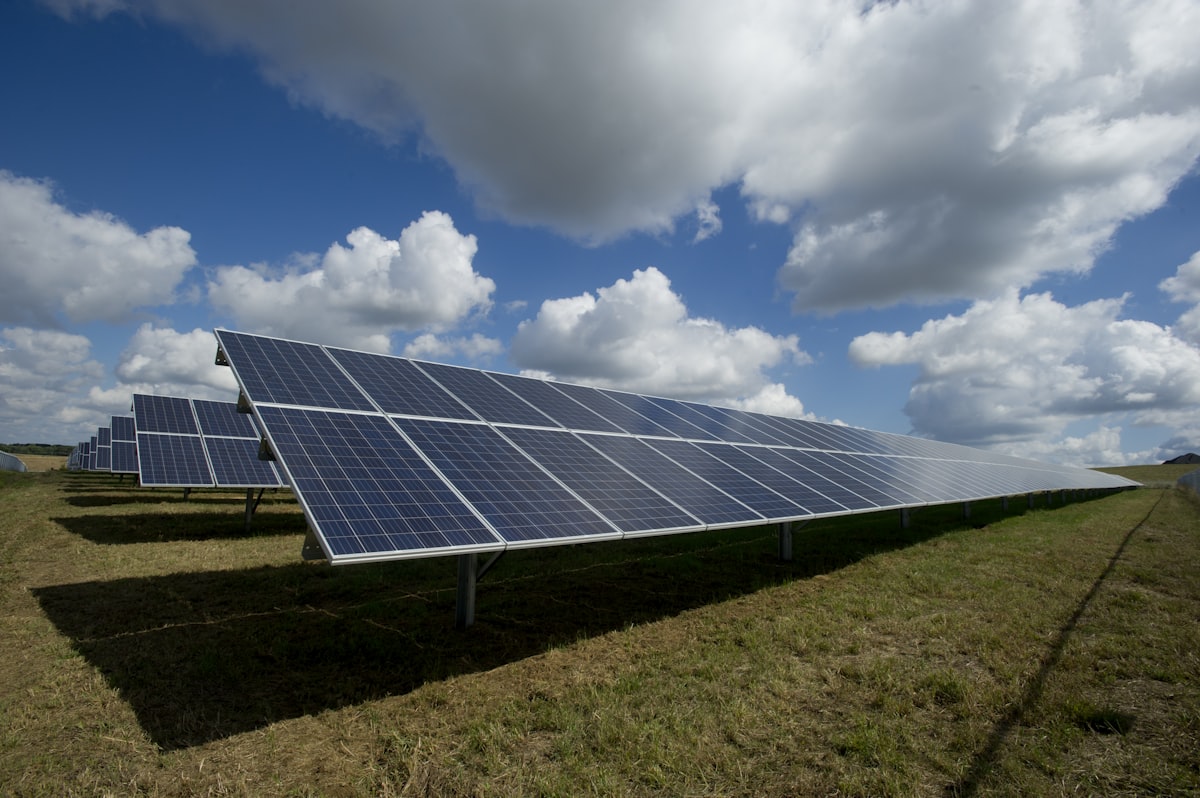
Hawaii’s community solar program operates under a model called virtual net metering.[1] A developer builds a solar farm — typically 1 to 5 MW for community-scale projects, though some reach far larger — and sells subscriptions to individual electric customers. Each subscriber is allocated a portion of the farm’s output. When the farm generates electricity, HECO applies credits to subscribers’ bills based on their share of production.
You never see the electricity. It does not flow to your home. The farm feeds power into the grid, and HECO performs an accounting exercise: your share of generation offsets your consumption, and the difference shows up as a credit on your monthly statement. The subscriber pays the project developer a per-kilowatt-hour rate that is lower than HECO’s retail rate, and pockets the spread.
One important distinction: you subscribe through the project developer, not through HECO directly. HECO administers the credits, but the contractual relationship is between you and the developer. This matters when it comes to terms, pricing, and exit clauses.
The Scale of Community Solar in Hawaii
Hawaii’s community solar pipeline has grown significantly since the PUC approved the shared solar framework. Over 40 projects are currently active or in various stages of approval across the state.[2] The largest are utility-scale developments that dwarf anything you would see on a rooftop.
On Oahu, the Mililani I and Mililani II solar-plus-storage projects represent the program’s biggest footprint — a combined 76 MW of solar capacity paired with battery storage, developed by Clearway Energy.[3] The Waiawa Solar and Storage project adds another 36 MW on Oahu’s central plain. On Maui, AES Kuihelani Solar has been a significant contributor to the island’s renewable portfolio.[4] Smaller projects dot Hawaii Island and are in development on other islands as well.
These are not backyard installations. They are industrial-scale power plants that happen to sell their output in residential-sized slices. The battery storage component is significant because it allows the farms to deliver credits during peak evening hours when HECO rates are highest — a feature that directly improves subscriber economics.
Who Community Solar Is Actually For
A woman I spoke with at a Kailua community meeting last year put it perfectly. She had been renting a cottage in Lanikai for eight years, paying $380 a month in electricity for a two-bedroom unit. She had watched her landlord install rooftop solar on the main house — cutting his bill to nearly nothing — while her meter kept spinning. She could not install her own system on a property she did not own. Community solar was, in her words, “the first time anyone offered me a way in.”
Her situation is not unusual. Community solar serves several distinct populations that rooftop installations cannot reach.
Renters are the most obvious group. Hawaii has one of the highest renter populations in the country — over 40% of households statewide, and above 50% in urban Honolulu.[5] These residents pay some of the nation’s highest electricity rates with zero ability to generate their own power. Community solar gives them access to solar savings without a single modification to their rental unit.
Condo owners face a similar structural barrier. Even if you own your unit, installing panels typically requires association approval, shared roof access, and navigating CC&Rs that many boards are reluctant to amend. In a state where a significant share of Oahu’s housing stock is in multi-unit buildings, this excludes hundreds of thousands of homeowners from rooftop solar.
Then there are single-family homeowners whose roofs simply do not cooperate. Heavy shading from monkeypod or banyan trees, steep north-facing pitch, small roof area consumed by vents and skylights, or aging roofing that needs replacement before panels can go on — all of these make rooftop installation impractical or uneconomical. Community solar offers these homeowners a path to savings that does not require a $15,000 roof replacement first.
Commercial tenants in leased spaces round out the subscriber base. A restaurant in a Kaimuki strip mall or a yoga studio in a Kailua shopping center cannot install panels on a building they do not own, but they can subscribe to a community solar project and reduce one of their largest operating costs.
The Money: What Subscribers Actually Save
Community solar savings in Hawaii are real, but they are modest compared to rooftop. Here is the current math.
| Cost Component | Amount |
|---|---|
| HECO retail rate (Oahu, 2026)[9] | ~$0.43/kWh |
| Community solar subscriber rate | $0.32–$0.38/kWh |
| Typical savings per kWh | $0.05–$0.11/kWh |
| Percentage savings | 10–25% |
| Monthly savings (avg household, 500 kWh) | $25–$55/month |
The range depends on the specific project, the developer’s pricing, and the subscriber’s allocation. A 10% discount on a $400 monthly HECO bill is $40 back in your pocket — meaningful, but not transformative. A 25% discount on the same bill is $100 per month, which starts to add up to real money over the course of a year.
One group gets a better deal. Low-to-moderate income (LMI) subscribers are guaranteed a minimum 20% bill credit discount under PUC rules.[6] This provision was a deliberate policy choice to ensure community solar does not become exclusively a product for affluent households who simply prefer not to install rooftop systems. LMI participants — generally defined as households at or below 80% of area median income — receive the steepest discounts and, in some projects, priority waitlist placement.
What to Watch Out For
Community solar is not a scam and it is not a silver bullet. Subscribers should go in with open eyes on a few points.
Subscription terms vary widely. Some developers offer month-to-month arrangements. Others lock subscribers into multi-year contracts with early termination fees. Read the contract before you sign — not the marketing brochure, the actual subscriber agreement. Pay particular attention to escalation clauses that allow the developer to increase your rate over time, and to what happens if you move to a different HECO service address.
Waitlists are real. The most popular projects — especially those with the deepest discounts — fill their subscriber rolls quickly. Getting on a waitlist does not cost anything, but it means your savings do not start until a spot opens. Some subscribers have waited six months or more for allocation in high-demand projects.
The savings ceiling is lower than rooftop. A well-designed rooftop solar-plus-battery system can reduce a Hawaii electric bill by 80–100%.[7] Community solar tops out around 25%. This is not a criticism — it is a different product for a different situation. But anyone who can install rooftop solar and chooses community solar instead is leaving significant money on the table.
Rooftop vs. Community Solar: When Each Makes Sense
| Rooftop Solar + Battery | Community Solar | |
|---|---|---|
| Bill reduction | 80–100% | 10–25% |
| Upfront cost | $25,000–$45,000 (before incentives) | $0 |
| Requires ownership | Yes (or landlord cooperation) | No |
| Requires suitable roof | Yes | No |
| Backup power | Yes (with battery) | No |
| Home value increase | Yes (~4% in Hawaii)[8] | No |
| Contract commitment | None (you own it) | Varies by developer |
| Payback period | 4–7 years | Immediate (lower rate from day one) |
The decision tree is simpler than most articles make it. If you own your home, your roof is in good condition with adequate sun exposure, and you plan to stay for five or more years, rooftop solar with battery storage will almost always deliver better economics. The upfront cost is higher, but the payback is faster, the long-term savings are dramatically larger, and you gain backup power and increased property value that community solar cannot offer.
Community solar is the right choice when rooftop is not an option. Full stop. It is not a compromise — it is the best available alternative for people who face structural barriers to installing their own system. Renters subscribing to a shared solar project will save more money than renters doing nothing, and that is the comparison that matters.
How to Subscribe
The process starts with identifying projects available in your HECO service territory. The Hawaii PUC maintains a list of approved community solar projects, and individual developers market their subscriptions directly.[2] You will need a recent HECO bill showing your account number and average monthly usage. The developer handles the paperwork with HECO to set up the virtual net metering credits on your account.
Most projects require no money down. You simply start paying the developer’s rate instead of HECO’s full retail rate, and the savings appear on your next billing cycle. Some projects have enrollment fees or deposits, so ask before you commit.
Where We Stand on This
Alternate Energy Hawaii installs rooftop solar and battery storage. That is our business, and we are straightforward about it. We do not sell community solar subscriptions and we do not earn anything from recommending them.
But we also believe in giving people accurate information, even when it does not lead to a sale. If you call us for a consultation and your roof faces north, your trees block the sun until 2pm, or you are renting and plan to stay for two more years, we are going to tell you that community solar is probably your better option right now. We would rather help someone make the right decision than sell them a system that does not make financial sense.
If your situation changes — you buy a home, you replace your roof, you move somewhere with good solar access — we will be here. In the meantime, community solar is a legitimate tool for cutting your electricity costs in one of the most expensive energy markets in the country.
Sources & References
- Hawaiian Electric, Community-Based Renewable Energy (CBRE) / Shared Solar Program Overview. Hawaiian Electric
- Hawaii Public Utilities Commission, Community-Based Renewable Energy Program — Approved Projects and Status Reports. Hawaii PUC
- Clearway Energy Group, Mililani I & II Solar-Plus-Storage Projects, Oahu. Clearway Energy
- AES Corporation, Kuihelani Solar Project, Maui. AES
- U.S. Census Bureau, American Community Survey — Hawaii Housing Tenure Data. Census Bureau
- Hawaii Public Utilities Commission, Decision and Order on Low-to-Moderate Income Provisions for CBRE Program. Hawaii PUC
- National Renewable Energy Laboratory (NREL), Distributed Solar and Battery Economics for Hawaii Residential Customers. NREL
- Zillow Research, “Solar Panels Can Increase a Home’s Sale Price,” analysis of residential solar premiums. Zillow
- Hawaiian Electric, Average Residential Electric Rates. Hawaiian Electric