Last September, a transformer blew on a residential feeder in Kaneohe. Nothing dramatic — no storm, no wildfire, just aging equipment giving out on a Tuesday afternoon. The outage lasted about six hours. Long enough for everything in your freezer to start softening. Long enough for the house to get unbearable without AC. Long enough for an elderly neighbor on a CPAP machine to start worrying.
One family on the street barely noticed. They had a Powerwall. Their lights stayed on, the fridge hummed along, the AC kept running. The husband grilled some chicken for the neighbors and charged their phones off an extension cord from his garage. Six hours later, HECO restored the circuit and life went on. But the question the rest of the street was asking the next morning was the same one a lot of Hawaii families are asking: why do I not have one of those?
What Happens When the Power Goes Out
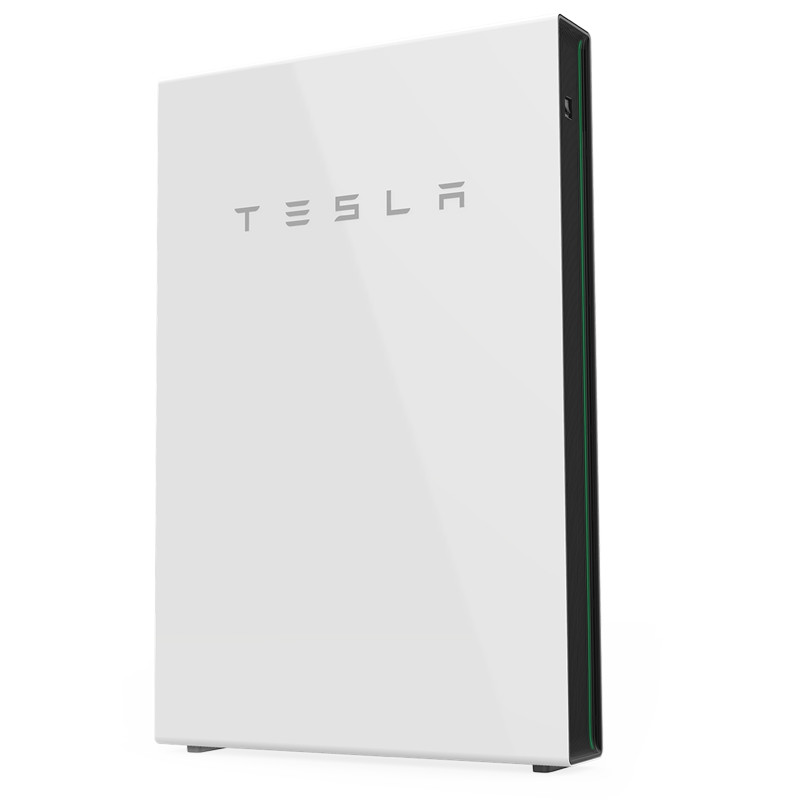
Here is something that surprises a lot of solar homeowners: if you have panels but no battery, your system shuts off during a grid outage. All of it. This is not a malfunction. It is a safety requirement called anti-islanding — your panels cannot be allowed to feed electricity into downed power lines where utility workers might be repairing them. So your home goes dark just like everyone else's.
With a Tesla Powerwall, the story is completely different. The battery detects the grid outage in less than 20 milliseconds[1] — faster than a light bulb can flicker — and disconnects your home from the grid. You switch to battery power so seamlessly that clocks do not reset and computers do not reboot. During daylight hours, your solar panels keep running in island mode, generating electricity that charges the battery and powers the house. As long as the sun comes up, you have power. Indefinitely.
How Long Does a Powerwall Last?
| Configuration | Usable Capacity | Critical Loads Only | Whole Home |
|---|---|---|---|
| 1 Powerwall 3 | 13.5 kWh[2] | 12–18 hours | 6–10 hours |
| 1 PW3 + Expansion | 27 kWh | 24–36 hours | 12–20 hours |
| 2 Powerwall 3s | 27 kWh | 24–36 hours | 12–20 hours |
| 3 Powerwall 3s | 40.5 kWh | 36–48+ hours | 18–30 hours |
"Critical loads" = refrigerator, lights, Wi-Fi, phone charging, medical equipment. "Whole home" = essentials plus AC, cooking, laundry. With solar recharging, daytime extends these durations significantly.
How Often Does the Grid Actually Go Down?
More than most people think.
Hurricane season runs June through November,[3] and high winds and flying debris do not need to be hurricane-force to snap utility poles and bring down lines. Windward Oahu — Kailua, Kaneohe, and the North Shore — is especially vulnerable to fallen trees taking out power lines during winter storms. On the Big Island, lava flows have literally swallowed grid infrastructure.
But most outages are not dramatic. They are aging equipment, overloaded transformers, car-versus-pole accidents, and planned maintenance shutdowns. The grid is old. Things break. And because Hawaii is the most isolated landmass on Earth with no interconnection to any other grid, there is no backup. Each island stands on its own.
The Lahaina wildfire in August 2023 was the extreme case[4] — grid infrastructure destroyed across an entire community, power out for weeks and months. But you do not need a catastrophe to lose your refrigerator full of groceries or sweat through a night without AC. A six-hour outage on a hot Kona-wind day in Kapolei is enough to remind you how dependent you are on a system you cannot control.
How to Prepare
Step 1: Size Your System
Start with enough solar to offset your full electric bill, then add battery storage for backup. Our solar calculator recommends battery sizing based on your consumption.
Step 2: Set Your Backup Reserve
The Tesla app lets you set a backup reserve (typically 20–30%) that is always kept charged for outage protection. Even if HECO dispatches your battery under BYOD+, this reserve is untouched.
Step 3: Know Your Priorities
Identify which circuits are critical. Powerwall can back up your whole home or selected circuits depending on how your electrical panel is configured.
It Also Pays for Itself
Battery storage is not just an insurance policy. It earns its keep every day through peak rate arbitrage — storing daytime solar and exporting at $0.329 per kWh during peak hours instead of $0.135 per kWh during the day. HECO's BYOD+ program pays approximately $4,600 upfront for enrolling a Powerwall 3.[5] The federal investment tax credit covers 30 percent of the battery cost through 2032.[6] And every night, you use your own stored solar instead of buying from the grid.
Add it up: the financial return from daily use plus the outage protection makes battery storage one of the smartest investments a Hawaii homeowner can make. The emergency backup is the reason you sleep better. The daily savings are the reason the accountant in your family is smiling.
Sources & References
- Tesla Powerwall 3 technical specifications including sub-20ms backup transition and usable capacity. Tesla Powerwall
- Tesla Powerwall 3 product specifications: 13.5 kWh usable capacity per unit. Tesla Powerwall
- Central Pacific hurricane season dates and historical storm data for Hawaii. NOAA Weather Forecast Office Honolulu
- Maui County wildfire damage and grid infrastructure destruction, August 2023. Maui County Government
- Hawaiian Electric Bring Your Own Device Plus (BYOD+) battery program details and incentive amounts. Hawaiian Electric
- Federal Investment Tax Credit (ITC) for residential energy storage under the Inflation Reduction Act. U.S. Department of Energy